
Diabetes will affect most of us at some point - whether through our own diagnosis or that of a loved one. Globally, diabetes affects approximately 537 million adults and rates are expected to continue rising. In the US, nearly half of the entire population (135.7 million Americans) has diabetes or prediabetes.
Are you or a loved one part of the 7.7 million Americans who rely on insulin? If so, read on to make sure you’re up to date on payment caps and accessing this lifesaving medication.
Most people have experienced some form of weight stigma in their life. We experience internalized weight stigma when we apply negative stereotypes or judgements about weight to ourselves or externalized weight stigma if we've been a victim of weight-based judgment or mistreatment.
If you’ve read or are interested in reading Intuitive Eating for Diabetes, join our 9-week group to connect and reflect on the content in a small, supportive community.
Some claims that food is addictive argue that the same brain regions light up with highly palatable foods just like they do for drugs. However, there are many things that can cause these reward centers in the brain to light up, such as puppies, babies, and music. So does that really mean food is addictive or rather that it is pleasurable?
There’s so much chatter around protein that many parents express worry around their kids eating habits and whether they’re getting enough. But, how much protein do kids really need?
Is it just me or does it seem like there's a seemingly never-ending focus on protein intake? Don't get me wrong, protein is an important nutrient, but how much do we really need? Let’s break it down.
If you’ve been told you have diabetes or prediabetes, then you have something in common with 135.7 million Americans—nearly half of the entire US population! As of 2021, 38.1 million US adults had diabetes, and 97.6 million had prediabetes (CDC 2024). But do you know the history of the term “prediabetes?” Read on to learn more.
Use 15-15 rule to treat hypoglycemia (low blood sugar)
Take the intuitive eating scale to find out where you may benefit from intuitive eating focused nutrition counseling
Janice and Elyse chat about new intuitive eating resources including Intuitive Eating for Diabetes, a new intuitive eating app, and the revised 2nd edition Intuitive Eating Workbook that Elyse co-authored with Evelyn Tribole.
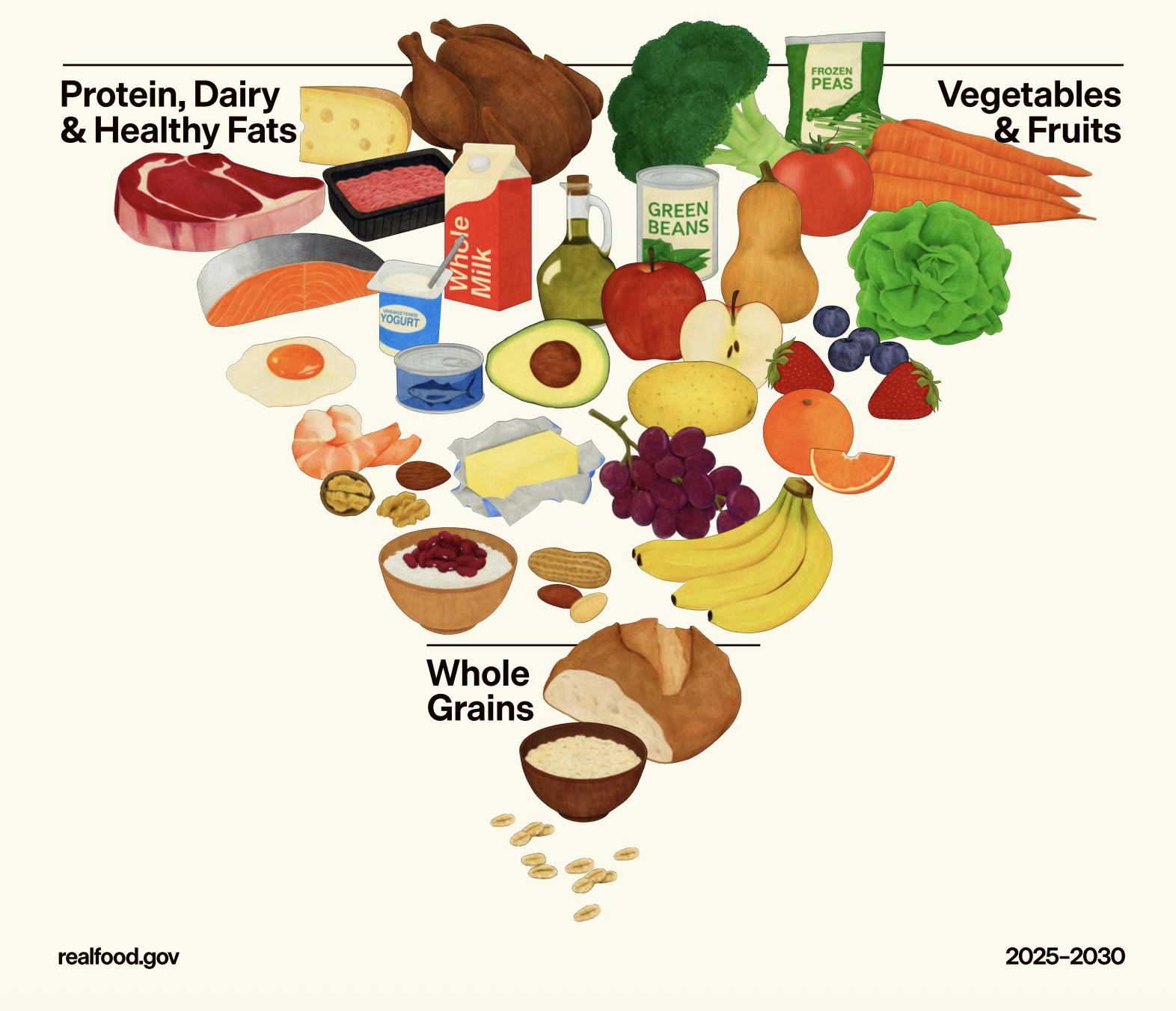
Every 5 years, a group of experts in the field gets together to scour the research and make public health nutrition recommendations. What you're probably most familiar with are the images that accompany these guidelines. In this post, let’s look at some images from DGA's past and break down the new guidelines plus some key take aways. If this type of discussion about food doesn't feel helpful to you, by all means skip this section. There's so much food chatter in our lives, I recognize this conversation won't be for everyone. However, if you've been hearing about the new DGA and have felt confused and want some clarification, I hope my breakdown that follows can offer that for you.